Lupin Protein: The Ultimate Guide to Nature’s Most Powerful Plant Protein
Lupin Is Nature’s Most Powerful Plant Protein
In the world of plant-based nutrition, a quiet revolution is taking place, led by a small but mighty legume that has been hiding in plain sight for centuries.
While soy, pea, and whey have long dominated the protein supplement market, a nutritional powerhouse is finally stepping into the spotlight, and it’s poised to change the way we think about plant protein forever.
Meet the lupin bean, the ancient superfood that is setting a new standard for protein content, nutritional density, and sustainable eating.
For too long, this golden-hued legume has been a well-kept secret, enjoyed as a pickled snack in Mediterranean cultures. But behind its humble exterior lies a nutritional profile so extraordinary that it outperforms nearly every other plant-based protein source on the planet.
With an astonishingly high protein concentration, a complete amino acid profile, and a wealth of essential vitamins and minerals, lupin is not just another alternative—it is an upgrade.
This comprehensive guide will take you on a deep dive into the world of lupin protein. We will explore its rich history, uncover its unparalleled nutritional benefits, and show you why it is the superior choice for athletes, vegans, and anyone looking to optimize their health.
Prepare to be amazed by the forgotten legume that is about to become the new king of plant protein.
From Ancient Snack to Modern Superfood: The Story of Lupin
The story of the lupin bean is as rich as its nutritional profile. Its journey began in ancient Egypt over 2,000 years ago, where it was a staple food source, and evidence of its cultivation has been found in the tombs of pharaohs.
From there, it spread across the Mediterranean, where it became a beloved snack known as termes in Egypt and tremoços in Portugal, traditionally pickled in brine and enjoyed for its savory flavor.

Historically, these were “bitter lupins,” which contained high levels of alkaloids, a natural defense mechanism of the plant. These compounds required a meticulous process of soaking and rinsing to make the beans edible.
However, modern agricultural advancements have led to the cultivation of “sweet lupins,” particularly the Australian Sweet Lupin (Lupinus angustifolius), which are naturally low in alkaloids and ready to eat without extensive processing. This innovation has unlocked the full potential of the lupin bean, making its incredible nutritional benefits accessible to the world.
The Unrivaled Nutritional Profile of Lupin
What sets lupin apart from other legumes is its extraordinary nutritional composition. It is a true outlier in the plant kingdom, boasting a profile that is high in protein and fiber, yet remarkably low in carbohydrates and fat. This unique combination makes it an ideal food for a wide range of dietary goals, from muscle building and weight management to blood sugar control.
Let’s break down the numbers. Raw lupin beans contain approximately 36-40% protein, 38% fiber, and only 4% digestible carbohydrates.
This makes it one of the most protein- and fiber-dense legumes available.
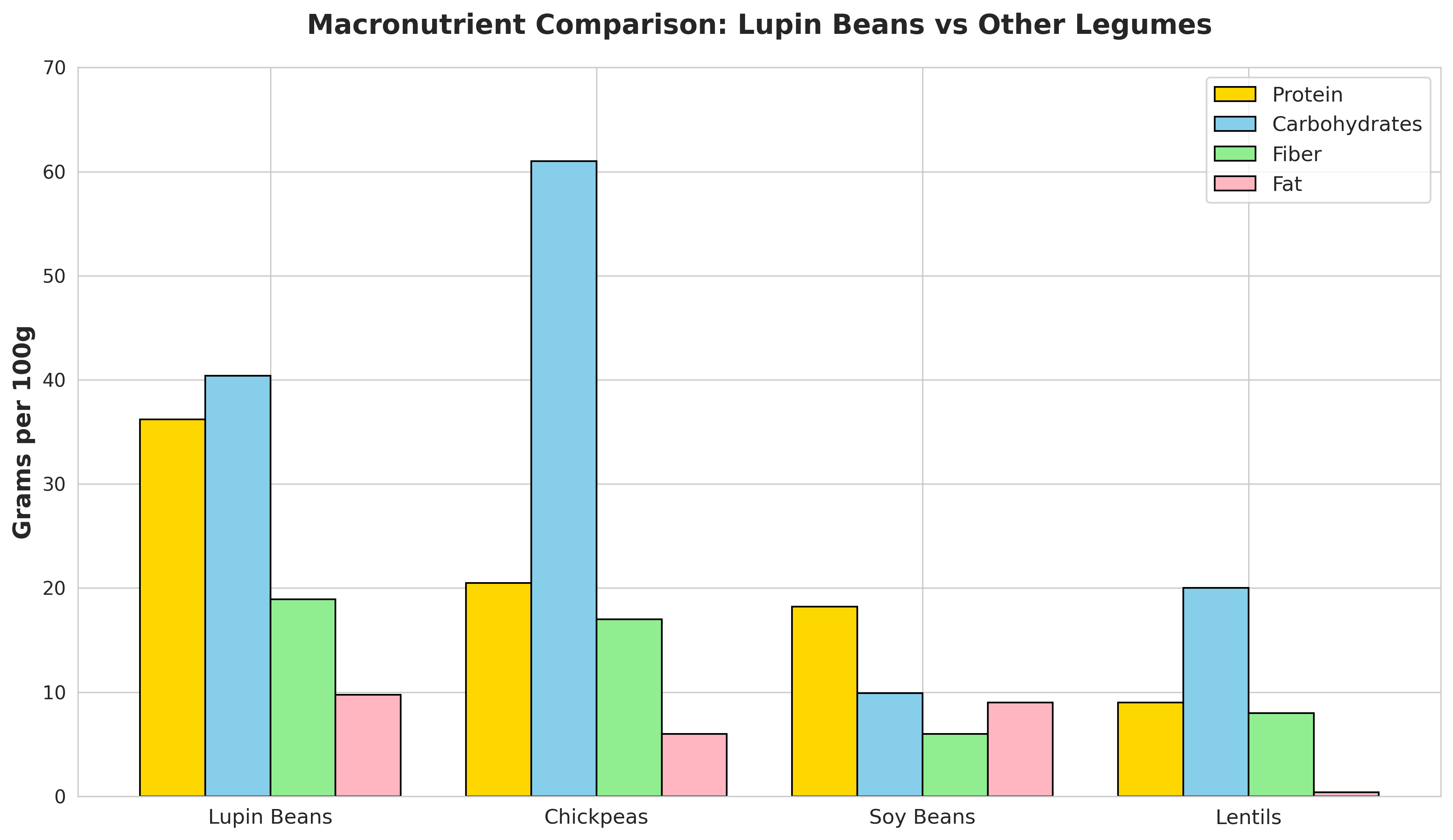
As the chart above illustrates, lupin beans deliver a significantly higher protein and fiber payload compared to other popular legumes, while keeping carbohydrates in check. This powerful macronutrient profile is the foundation of lupin’s health benefits, providing sustained energy, promoting satiety, and supporting a healthy metabolism.
The King of Plant Proteins
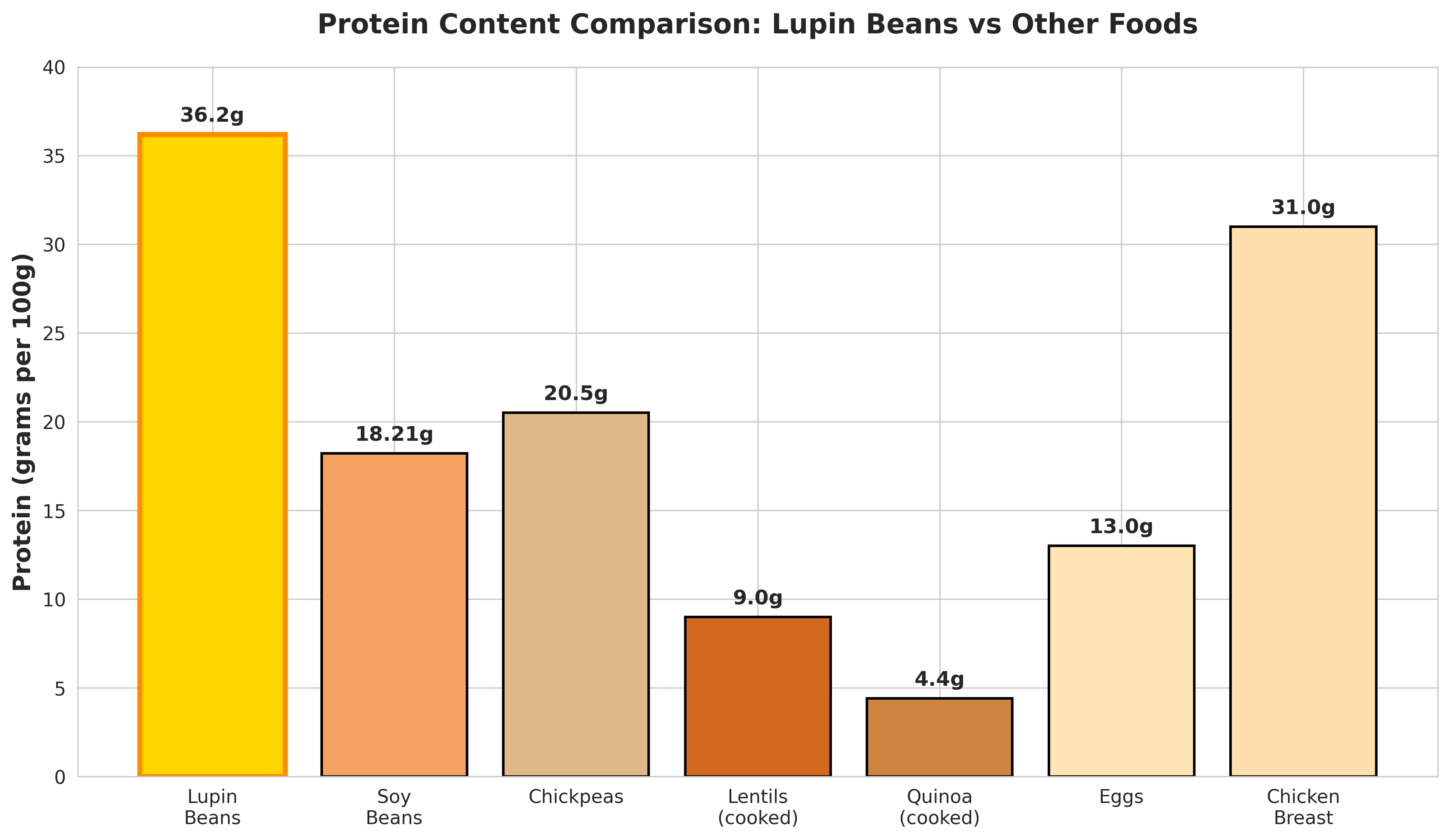
When it comes to protein, lupin is in a league of its own. With up to 40 grams of protein per 100 grams, it surpasses almost every other plant-based source, and even rivals many animal-based proteins.
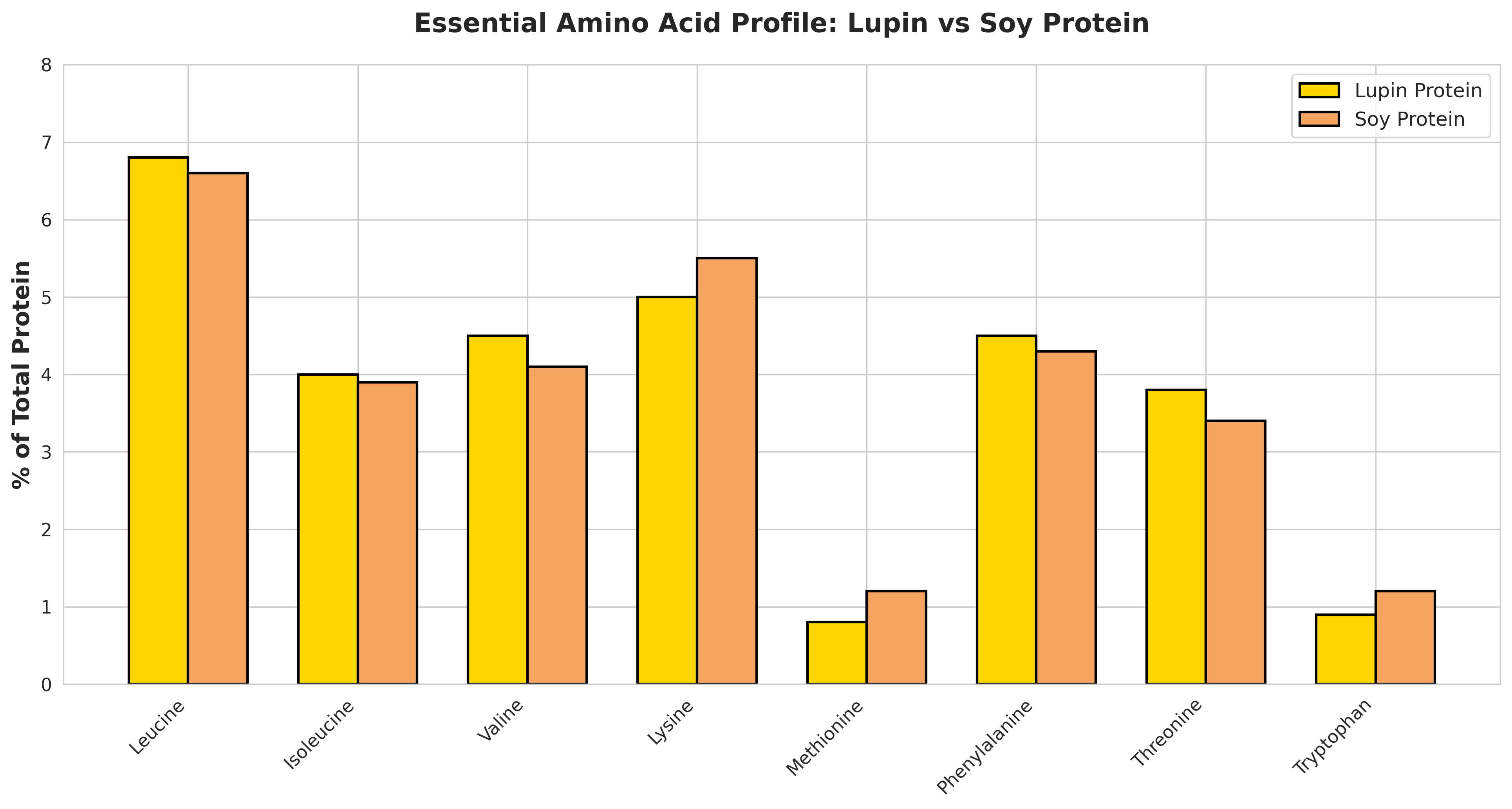
But it’s not just about quantity; it’s also about quality. Protein is made up of amino acids, nine of which are essential, meaning our bodies cannot produce them, and we must obtain them from food. A “complete protein” is one that contains all nine of these essential amino acids in sufficient amounts.
Lupin protein is a complete protein, providing the full spectrum of amino acids your body needs to build and repair tissues, support immune function, and carry out countless other vital processes.
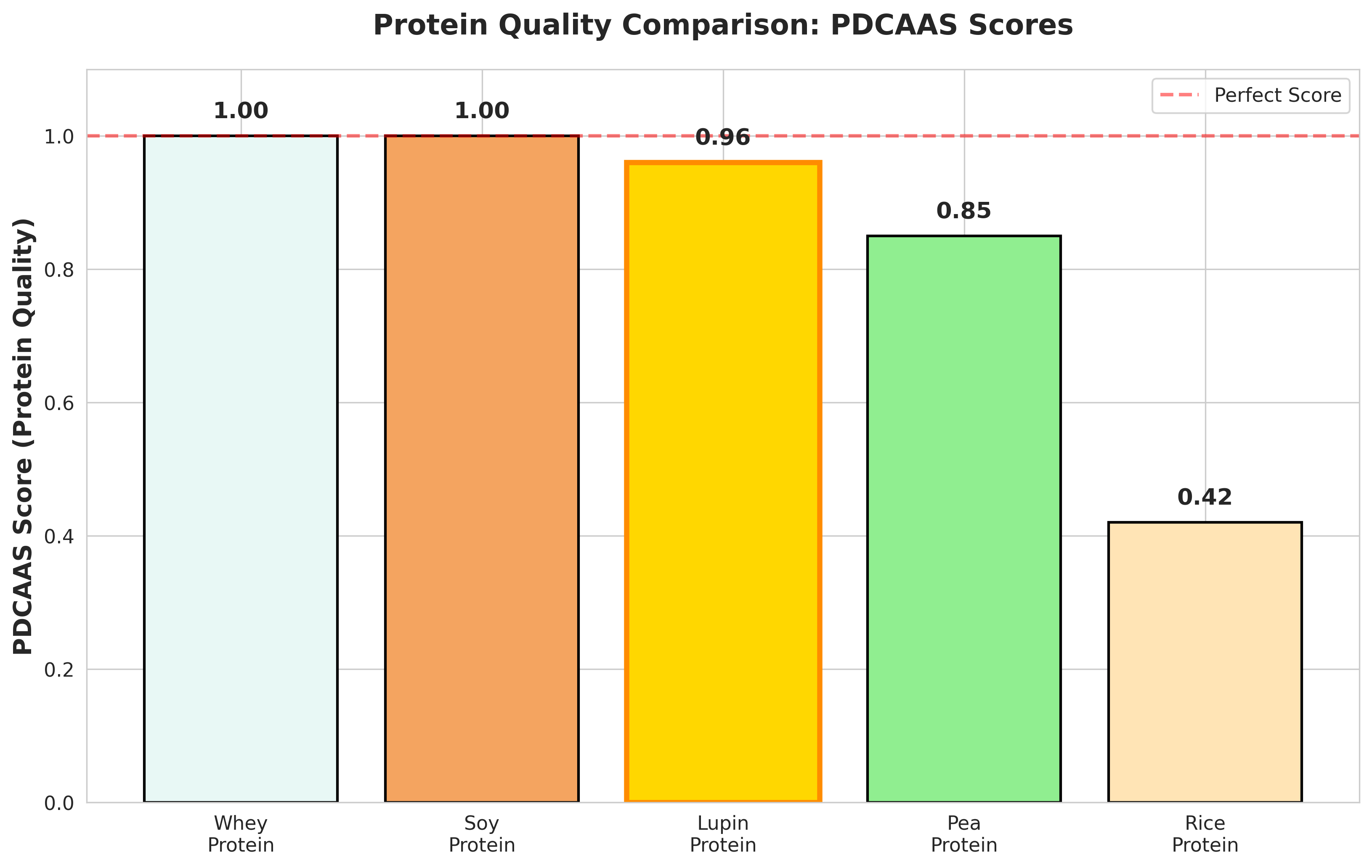
To scientifically measure a protein’s quality, researchers use the Protein Digestibility-Corrected Amino Acid Score (PDCAAS), which rates proteins on a scale of 0 to 1, with 1.0 representing a perfect score. Whey and soy protein have long been the gold standard with a score of 1.0. Lupin protein comes in with an exceptional PDCAAS score of 0.96, making it one of the highest-quality plant proteins available, far surpassing others like pea and rice protein.
The “3x More” Advantage: A Nutritional Powerhouse
Lupin’s nutritional superiority becomes even more apparent when you compare it to other well-known health foods. It’s not just a little better—it’s often exponentially better.
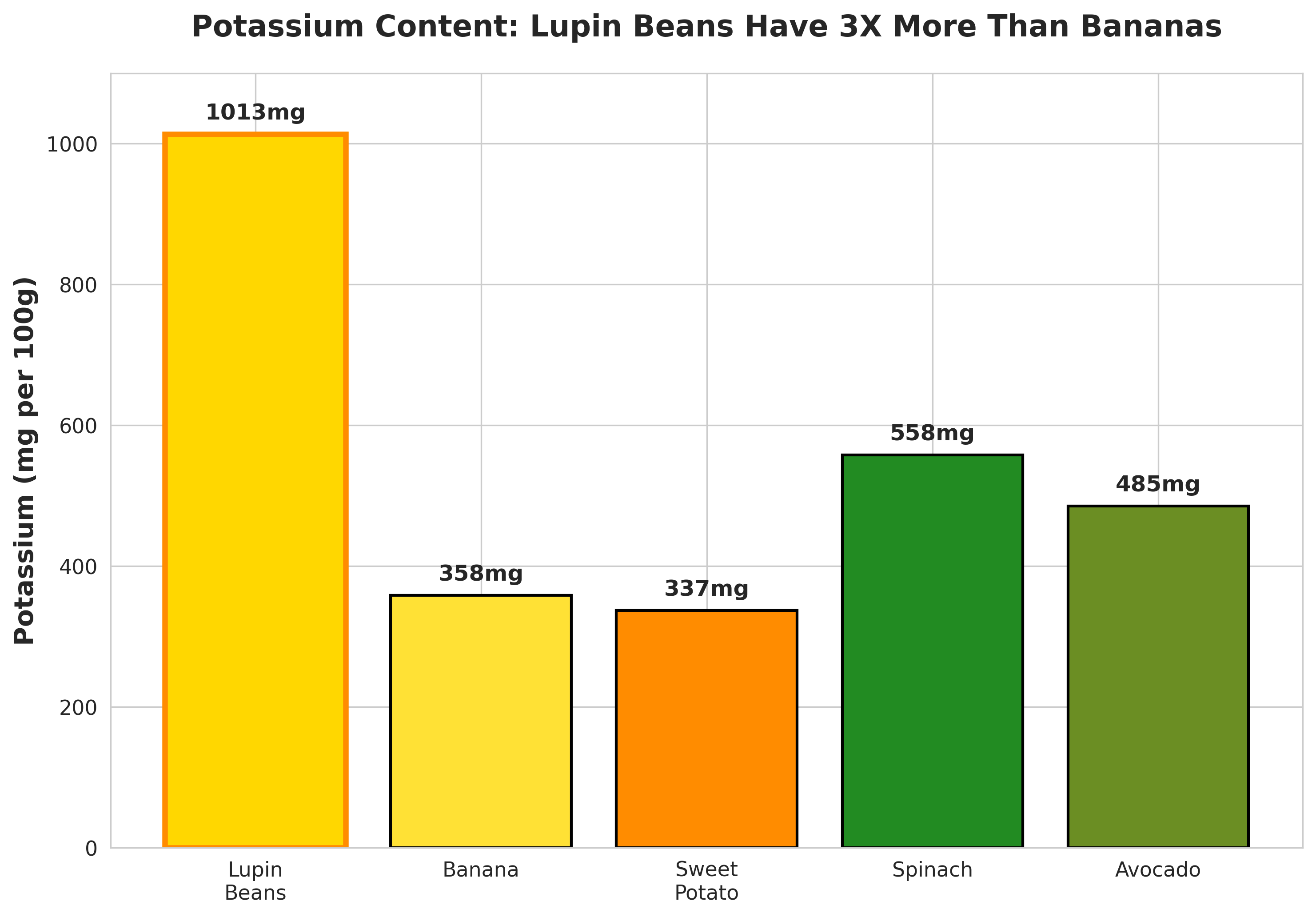
3x More Potassium Than a Banana
We’ve all been told to eat bananas for potassium, an essential mineral for regulating blood pressure and fluid balance. But lupin beans contain a staggering 1013mg of potassium per 100g, nearly three times the amount found in a banana.
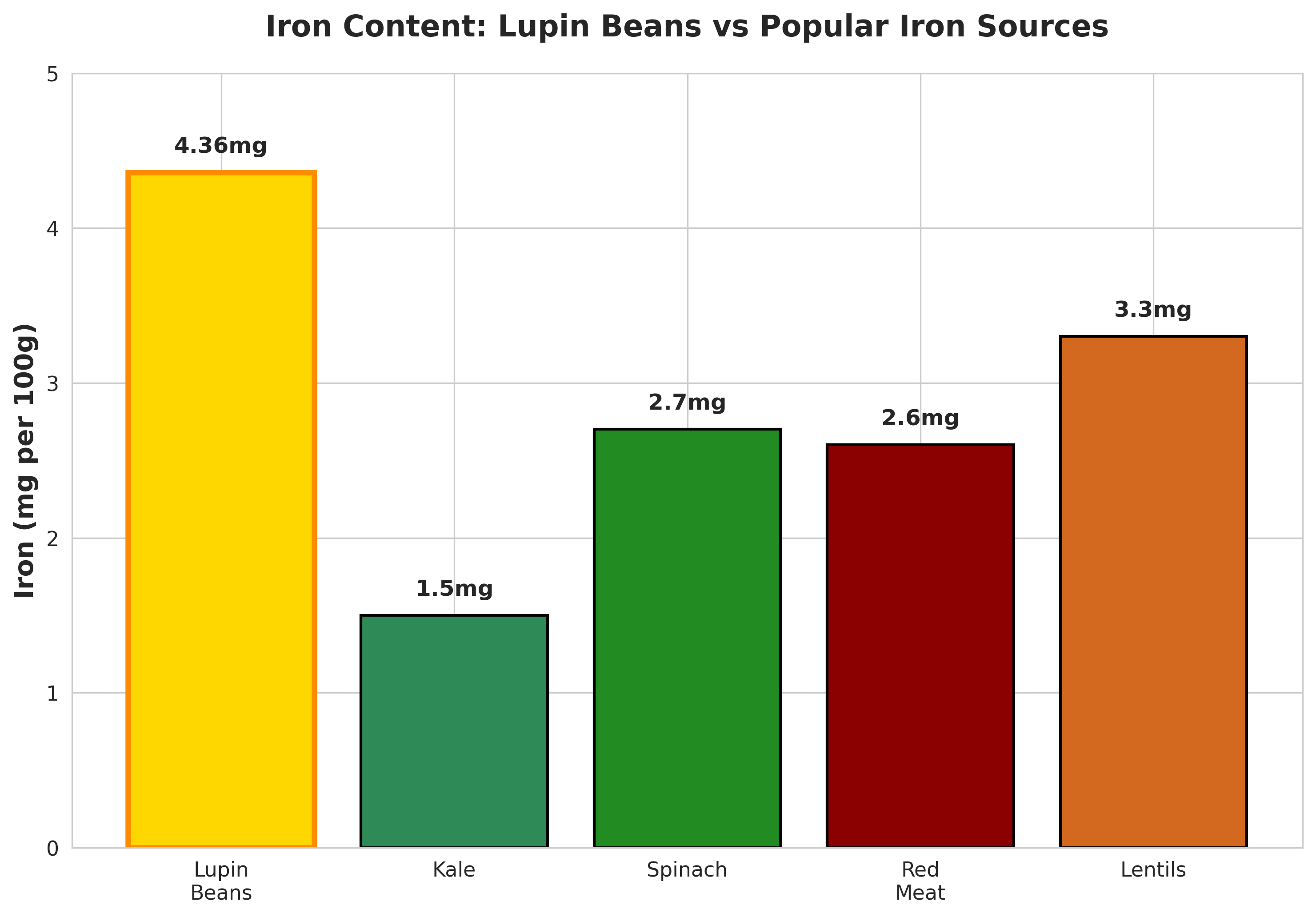
3x More Iron Than Kale
Iron is crucial for carrying oxygen in the blood and preventing fatigue. While leafy greens like kale are often touted as great plant-based sources of iron, lupin beans provide 4.36mg of iron per 100g, almost three times more than kale.
More Fiber Than Oats
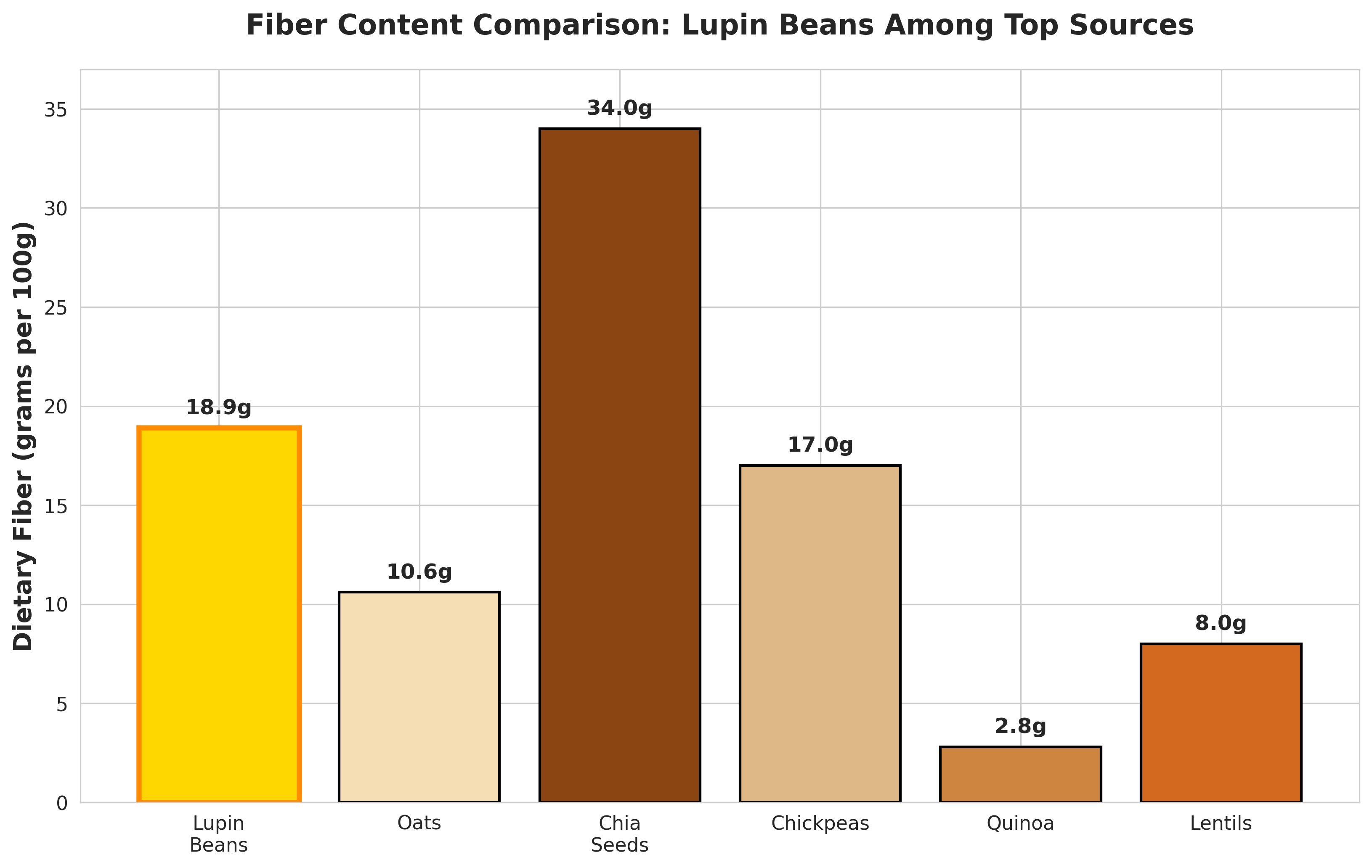
Dietary fiber is essential for digestive health, blood sugar control, and maintaining a healthy weight. Lupin beans are packed with 18.9g of fiber per 100g, significantly more than oats and most other grains and legumes.
Unlocking a World of Health Benefits
The incredible nutritional profile of lupin translates into a wide array of science-backed health benefits that can transform your well-being.
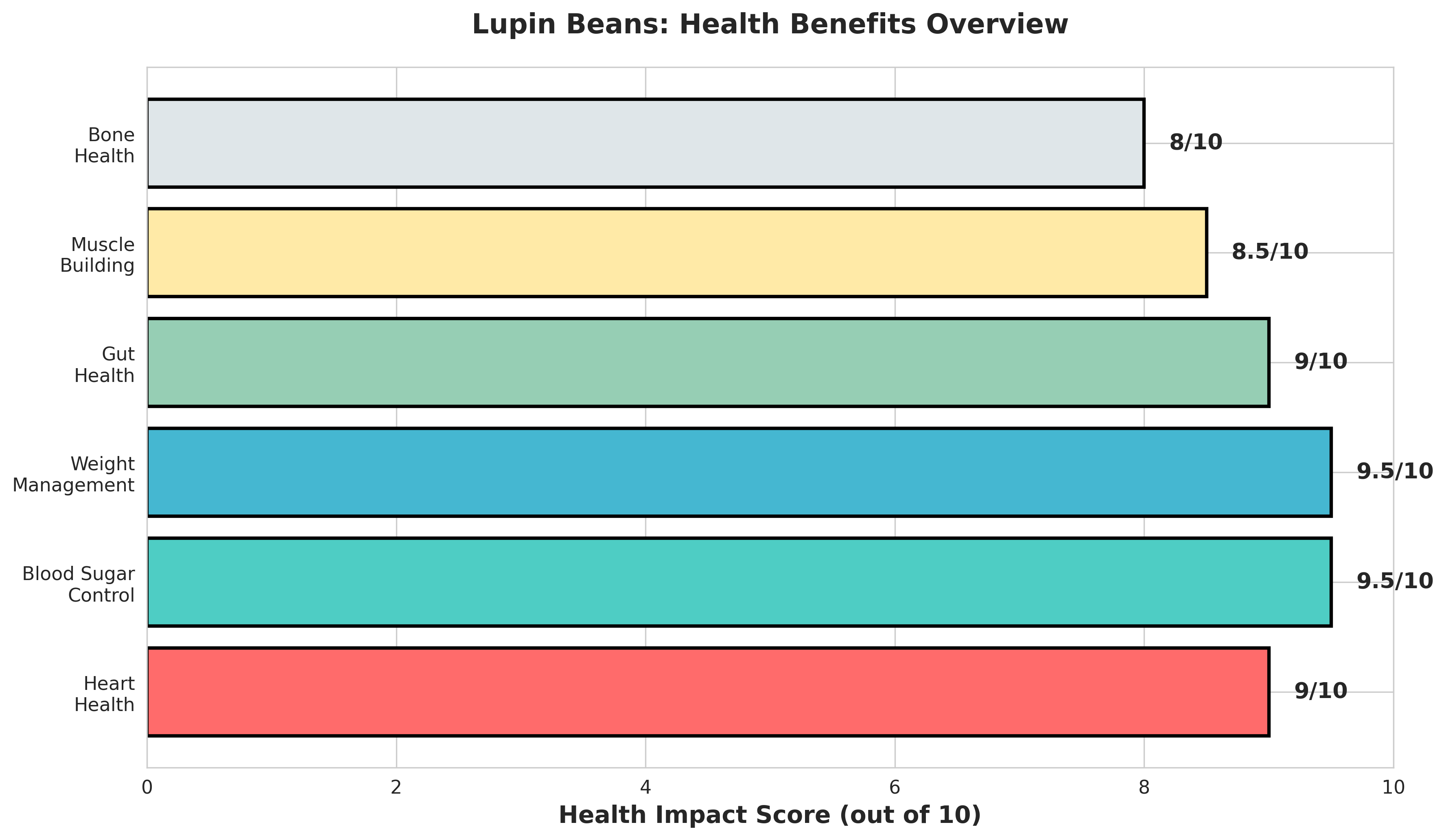
•Heart Health: The high potassium and arginine content in lupin helps to relax blood vessels and lower blood pressure, while its fiber and phytosterols work to reduce cholesterol levels.
•Blood Sugar Control: With its low glycemic index and high fiber content, lupin prevents spikes in blood sugar. Furthermore, it contains a unique protein called gamma conglutin, which has been shown to help regulate insulin and glucose levels.
•Weight Management: The powerful combination of high protein and high fiber makes lupin incredibly satiating, helping you feel full for longer and reducing overall calorie intake.
•Gut Health: The prebiotic fiber in lupin feeds the beneficial bacteria in your gut, promoting a healthy microbiome, improving digestion, and reducing inflammation.
•Muscle Building and Recovery: As a complete, high-quality protein, lupin provides all the building blocks your body needs to repair and build lean muscle mass, making it an ideal choice for athletes and fitness enthusiasts.

How to Bring the Power of Lupin into Your Life
Now that you know the incredible benefits of lupin, you’re probably wondering how to incorporate it into your diet. Thanks to its versatility, it’s easier than ever.
•Lupin Protein Powder: The most convenient way to get a concentrated dose of lupin protein is with a high-quality powder like Lupinica. Simply add a scoop to your morning smoothie, post-workout shake, or even your pancake batter for an instant protein boost.
•Lupin Flour: As a gluten-free, low-carb alternative to wheat flour, lupin flour can be used in baking to create delicious and nutritious breads, cookies, and cakes.
•Cooked Lupin Beans: Enjoy them the traditional way as a savory, high-protein snack, or add them to salads, soups, and stews for extra texture and nutrition.
The Future is Lupin
Lupin is more than just a trend; it is a fundamental shift in plant-based nutrition. Its unmatched protein content, superior nutritional profile, and impressive sustainability credentials make it the clear winner in the world of protein.
Whether you are looking to build muscle, lose weight, or simply improve your overall health, Lupin offers a powerful and delicious solution.
Ready to explore more?
Discover how lupin stacks up against other proteins in our Definitive Nutritional Comparison, or dive into the 10 Science-Backed Health Benefits of Lupin to continue your journey.
References
[4] Lupin Gold. (2025). Lupin vs Soy vs Pea vs Whey – What Wins?. Retrieved from
[5] FoodData Central. (n.d. ). U.S. Department of Agriculture. Retrieved from
 Previous Post