Lupin vs. The World: The Definitive Nutritional Showdown
Lupin Nutritional Information
The search for the perfect protein source can feel like navigating a crowded and confusing marketplace. From the dairy-aisle dominance of whey to the plant-based prevalence of soy and pea, consumers are bombarded with choices, each claiming to be the best. But what if the true champion isn’t the one making the most noise?
What if it’s a quiet contender that has been waiting patiently for its moment to shine?
Welcome to the ultimate nutritional showdown. In one corner, we have the reigning champions: whey, soy, pea, and other popular whole-food proteins like eggs and chicken. In the other corner, we have the challenger, a golden legume with an ancient pedigree and a nutritional profile that defies expectations: the lupin bean.
This is not just another comparison article. This is a data-driven, head-to-head analysis that will leave no stone unturned.
We will dissect every aspect of these protein sources—from protein quantity and quality to digestibility, micronutrient content, and sustainability.
By the end of this guide, you will understand not only why lupin deserves a place at the top, but why it may be the single best protein source for your health, your performance, and the planet.
Round 1: The Protein Punch – A Game of Numbers
Let’s start with the most fundamental question: how much protein are you actually getting?
For many, this is the primary metric for choosing a protein source. Here, Lupin makes a powerful opening statement.
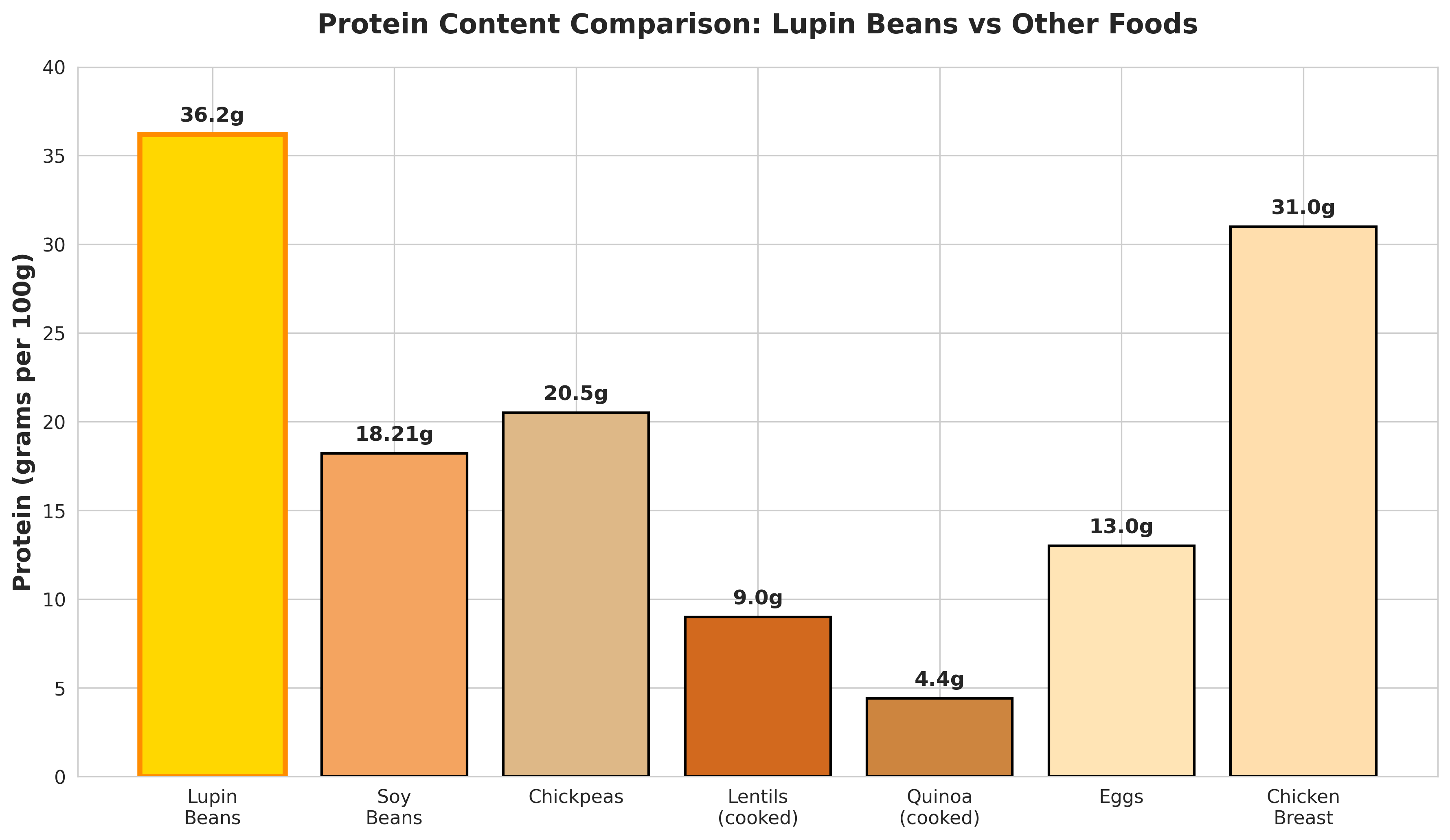
As the data clearly shows, raw lupin beans contain an incredible 36.2g of protein per 100g. This places them at the very top of the plant-based world, significantly outperforming other popular legumes like chickpeas (20.5g) and even soybeans (18.21g).
When processed into a high-quality isolate like Lupinica, the protein concentration skyrockets to around 90%, putting it on par with the best whey and soy isolates on the market.
Here’s how the contenders stack up in a direct comparison of their whole-food forms:
| Protein Source | Protein per 100g | Category |
| Lupin Beans (Raw) | 36.2g | Plant-Based |
| Chicken Breast | 31g | Animal-Based |
| Chickpeas (Raw) | 20.5g | Plant-Based |
| Soybeans (Raw) | 18.21g | Plant-Based |
| Eggs | 13g | Animal-Based |
| Lentils (Cooked) | 9g | Plant-Based |
| Quinoa (Cooked) | 4.4g | Plant-Based |
The Verdict: In the raw numbers game, lupin establishes itself as the undisputed king of plant-based protein, even surpassing some of the most popular animal-based sources like chicken and eggs.
Round 2: The Quality Question – Not All Protein is Created Equal
High protein content is impressive, but it’s only half the story. The quality of that protein is what truly determines its value to your body. Protein quality is measured by two key factors: its amino acid profile and its digestibility.
The Amino Acid Advantage
A complete protein must contain all nine essential amino acids (EAAs) that our bodies cannot produce on their own. Lupin is a complete protein, providing the full arsenal of EAAs needed for muscle repair, immune function, and overall health.
But it gets better. For muscle building, the most important amino acid is leucine, which acts as the primary trigger for muscle protein synthesis (MPS).
While whey protein has long been the benchmark for leucine content, lupin holds its own, especially against other plant proteins.
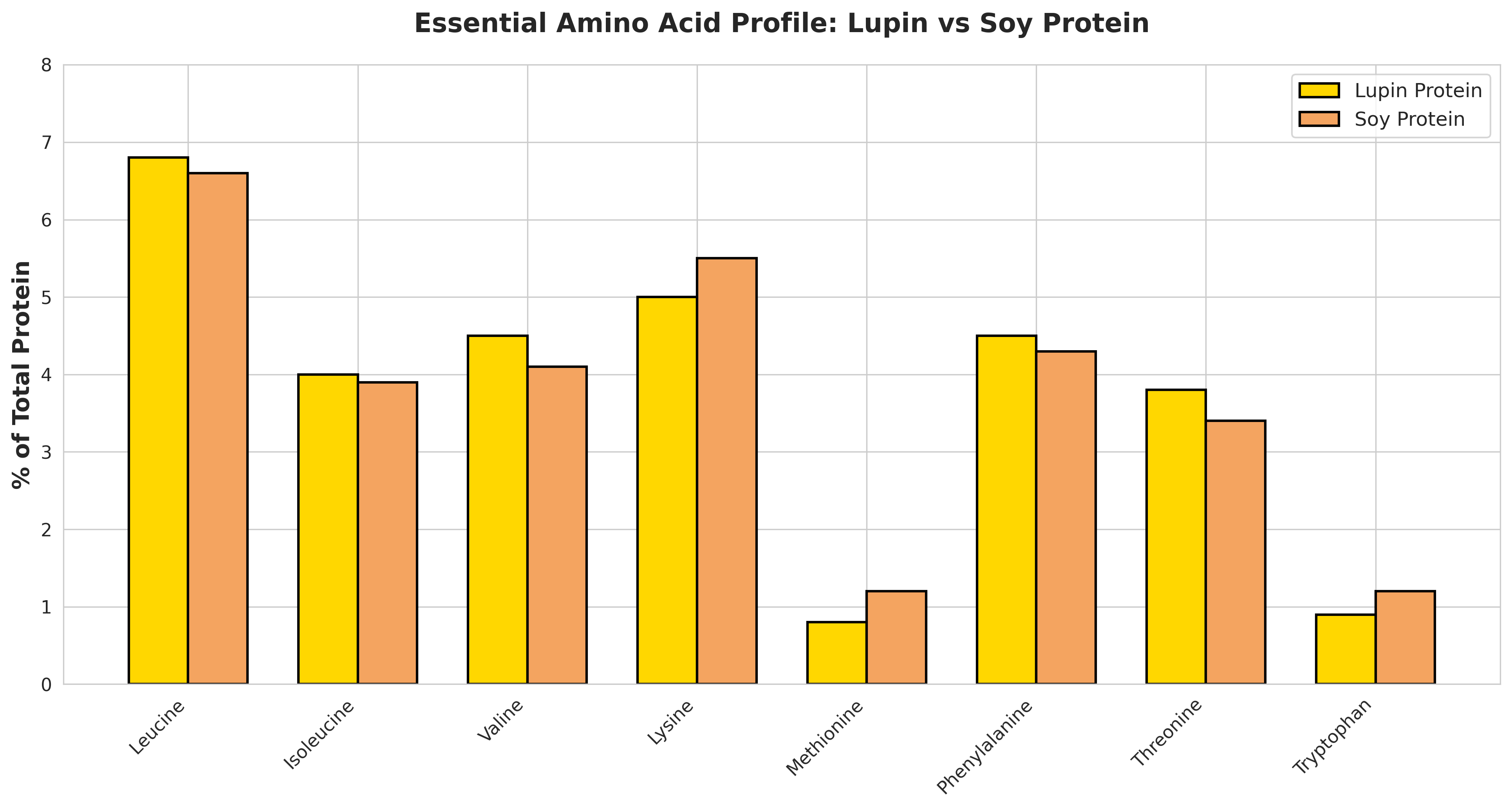
Lupin protein isolate contains approximately 6.8% leucine, which is comparable to soy isolate (6.6%) and provides a powerful stimulus for muscle growth. This makes it an excellent choice for athletes and anyone looking to build or maintain lean body mass.
The Digestibility Score (PDCAAS)
The Protein Digestibility-Corrected Amino Acid Score (PDCAAS) is the gold standard for measuring protein quality, rating proteins on a scale from 0 to 1.0. A score of 1.0 indicates that, after digestion, the protein provides 100% or more of the essential amino acids required.
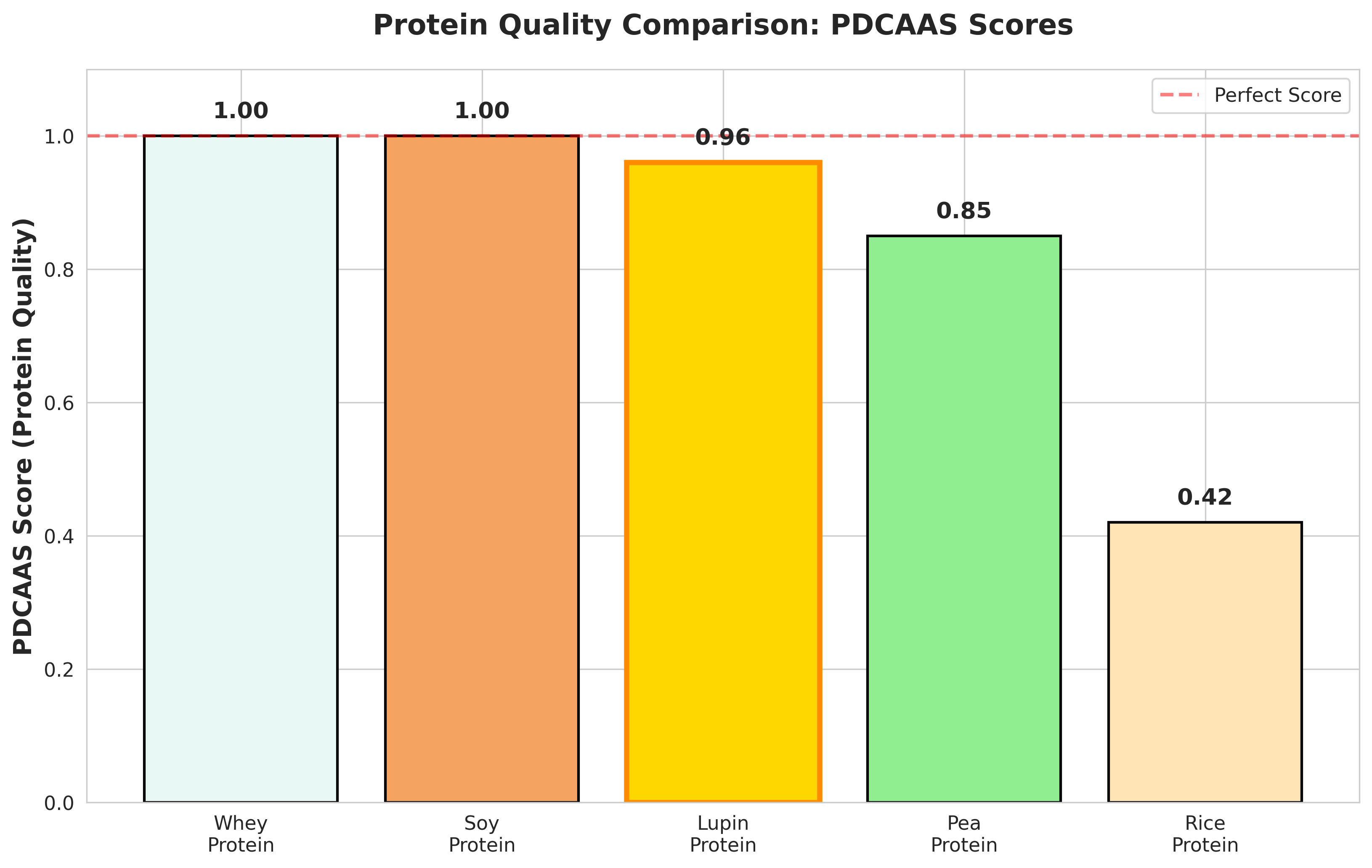
Once again, Lupin proves its elite status. With a PDCAAS score of 0.96, it comes incredibly close to the perfect scores of whey and soy (1.0), and it stands head and shoulders above other plant proteins like pea (0.85) and rice (0.42).
This high score means your body can efficiently absorb and utilize the protein you consume.
The Verdict: Lupin delivers not only a high quantity of protein but also exceptional quality, with a complete amino acid profile and a digestibility score that rivals the best animal and plant proteins available.
Round 3: The Macronutrient Matchup – Beyond Protein
A food is more than just its protein content. The balance of carbohydrates, fiber, and fats plays a crucial role in its overall health impact. This is where Lupin truly separates itself from the pack, offering a unique macronutrient profile that is almost perfectly designed for modern health goals.
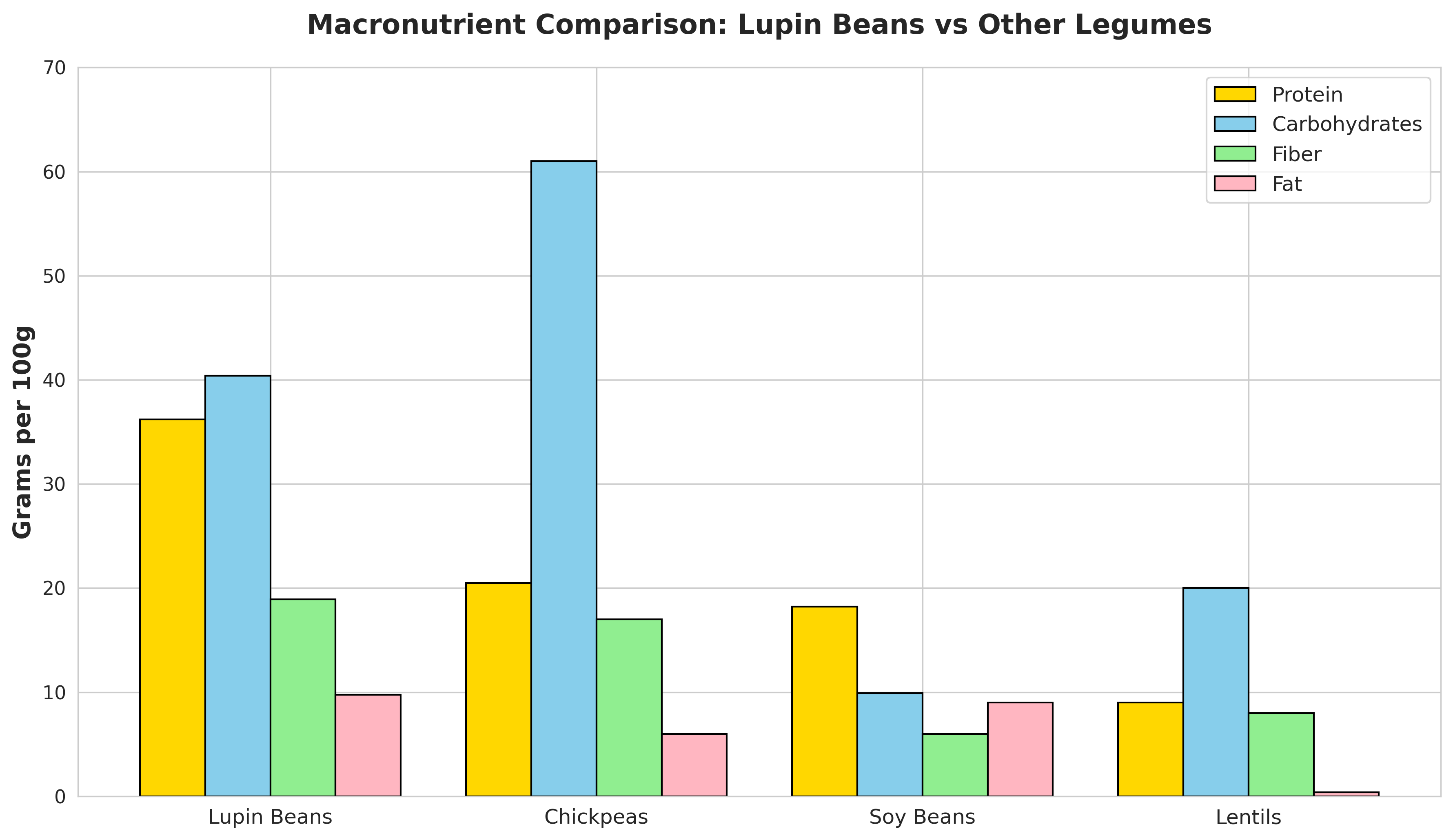
Lupin is a low-carb, high-fiber marvel. With only 4% net carbohydrates and a massive 38% dietary fiber, it offers a stark contrast to other legumes that are often high in starch. This profile provides several key advantages:
•Weight Management: The combination of high protein and high fiber is incredibly satiating, helping you feel full and satisfied for longer, which naturally leads to reduced calorie intake.
•Blood Sugar Control: The low carbohydrate content and high fiber content prevent the sharp spikes in blood sugar that are common with other starchy foods, making lupin an excellent choice for individuals with diabetes or anyone looking to maintain stable energy levels.
•Gut Health: The abundant prebiotic fiber in lupin acts as fuel for the beneficial bacteria in your gut, promoting a healthy microbiome, improving digestion, and reducing inflammation.
The Verdict: Lupin’s unique low-carb, high-fiber profile makes it superior for weight management, blood sugar regulation, and digestive health compared to other legumes and protein sources.
Round 4: The Micronutrient Melee – The Hidden Benefits
Beyond the macros, lupin is a treasure trove of essential vitamins and minerals, often containing significantly more of these vital nutrients than other so-called “superfoods.”
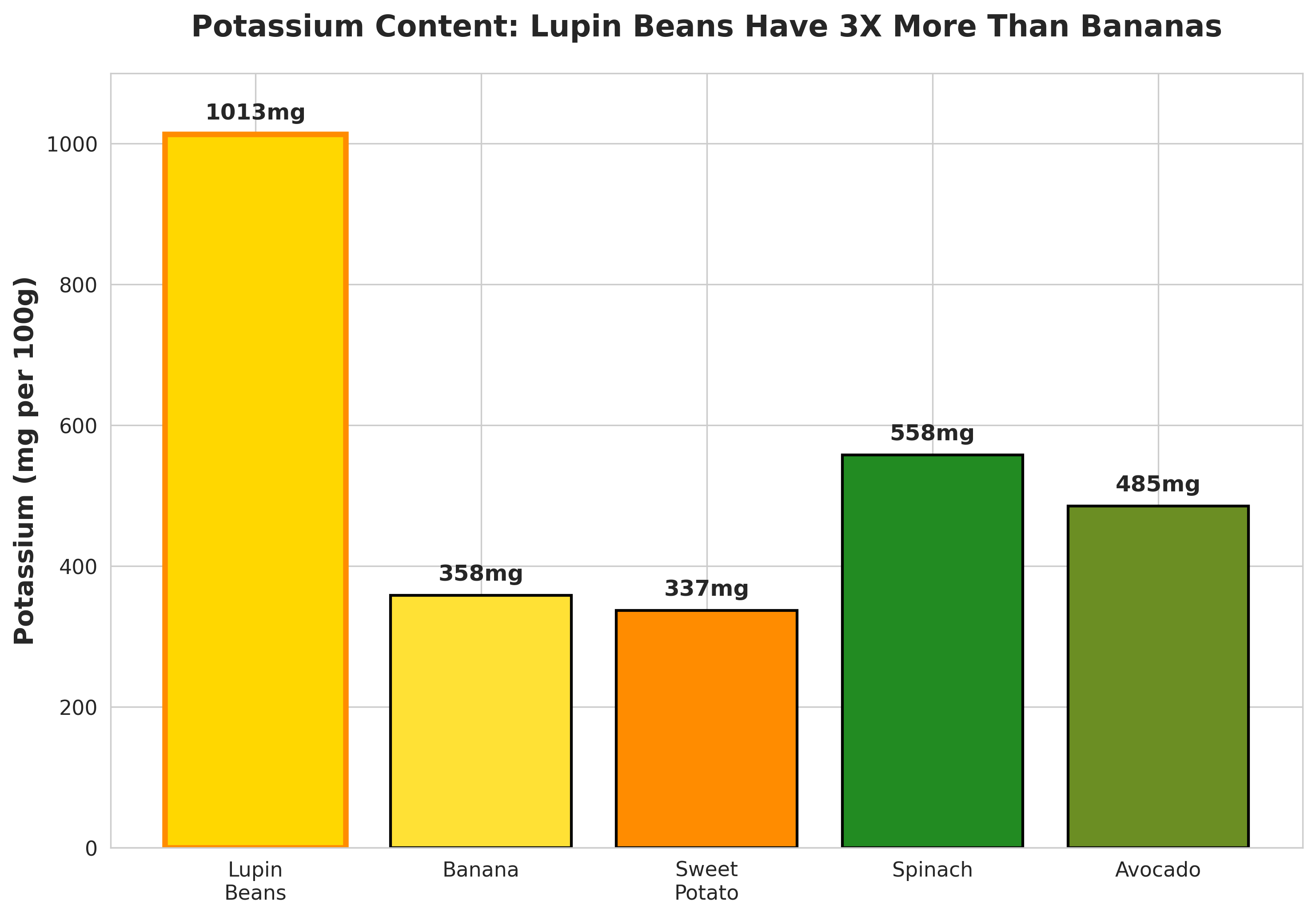
•Potassium Powerhouse: Forget bananas. Lupin beans contain 1013mg of potassium per 100g, nearly three times the amount in a banana. This is crucial for maintaining healthy blood pressure and cardiovascular function.
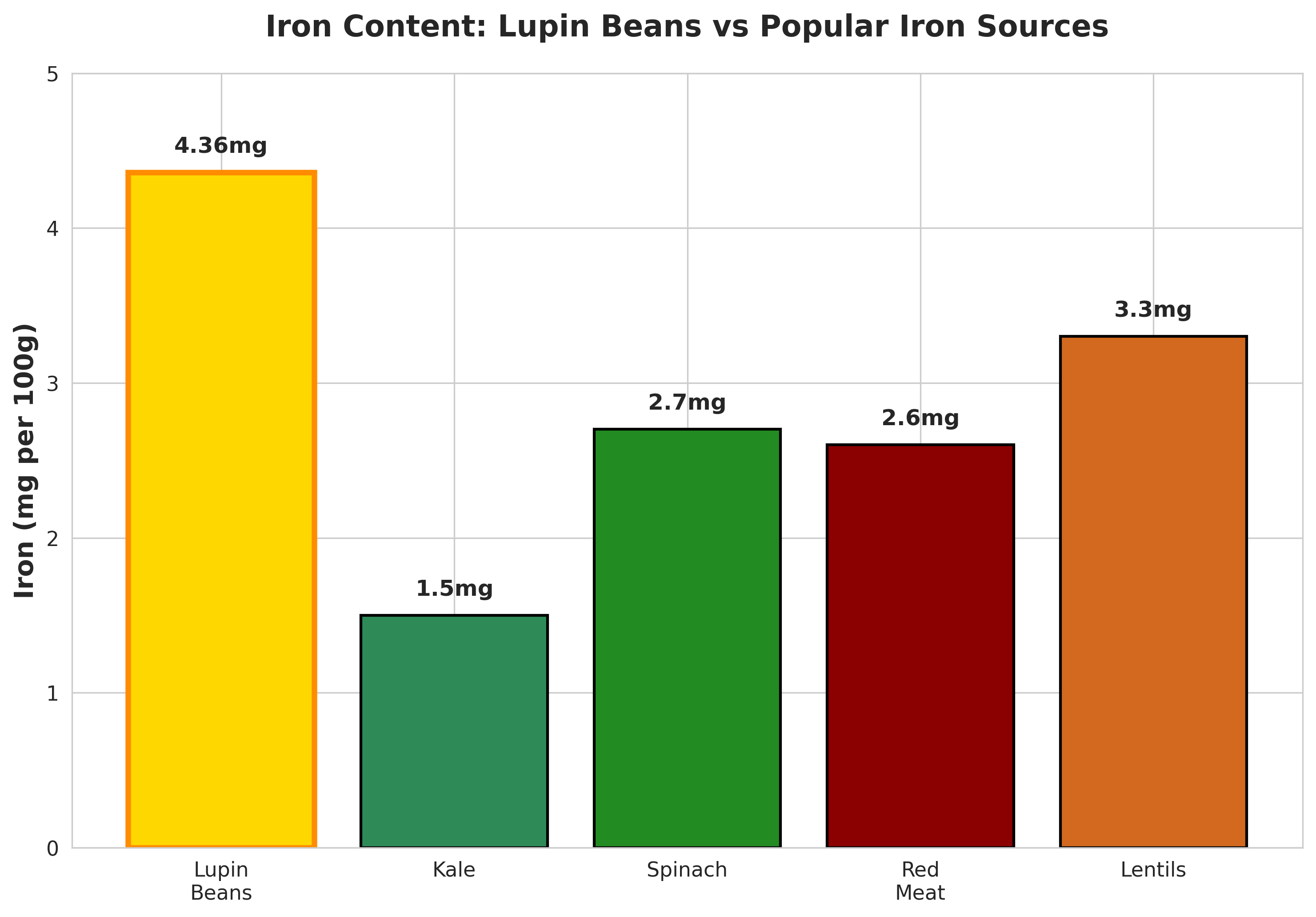
•Iron Champion: Move over, spinach. Lupin delivers 4.36mg of iron per 100g, providing a powerful plant-based solution for preventing iron deficiency and boosting energy levels.
•Mineral Rich: The benefits don’t stop there. Lupin is also packed with magnesium for muscle function, phosphorus and calcium for bone health, and zinc for immune support.
The Verdict: Lupin is not just a protein source; it’s a multivitamin in a bean, delivering a broad spectrum of essential micronutrients that are vital for optimal health.
Round 5: The Gut Check – Digestibility and Allergens
How your body feels after eating a protein is a critical, yet often overlooked, factor. Many popular protein powders are notorious for causing bloating, gas, and digestive discomfort.
•Whey: As a dairy product, whey contains lactose, which can cause significant digestive issues for a large portion of the population.
•Pea Protein: Many users report bloating and a chalky or gritty texture with pea protein.
•Soy: Soy is one of the top eight major allergens and contains phytoestrogens, which some people choose to avoid.
Lupin, on the other hand, is known for being exceptionally gentle on the gut. With a digestibility rate of 96%, it is efficiently broken down and absorbed with minimal discomfort. While it is a legume and can be an allergen for those with peanut or other legume allergies, it is generally much better tolerated than dairy or soy.
The Verdict: For those with sensitive stomachs or who experience bloating with other protein powders, lupin offers a highly digestible and gut-friendly alternative.
Round 6: The Sustainability Scorecard – The Planet-Friendly Protein
In today’s world, the environmental impact of our food choices cannot be ignored. Here, lupin emerges as a true environmental hero.
•Nitrogen-Fixing: Like other legumes, lupin is a nitrogen-fixing crop. This means it naturally enriches the soil, reducing the need for chemical fertilizers.
•Drought-Tolerant: Lupin is a hardy crop that can thrive in poor soil conditions and requires significantly less water than many other crops, including peas and almonds.
•Low Carbon Footprint: Compared to animal-based proteins like whey, which are linked to methane emissions and high water usage from the dairy industry, lupin has a dramatically lower carbon footprint.
The Verdict: Lupin is not only good for you; it’s good for the planet. Choosing lupin is a vote for a more sustainable and regenerative food system.
The Final Verdict: Why Lupin Reigns Supreme
After six rounds of intense competition, the conclusion is clear. While other proteins have their merits, none can match the complete and balanced profile of the lupin bean. It combines the high-quality, complete protein of animal sources with the fiber, micronutrients, and sustainability of the best plant foods, all in one perfect package.
| Feature | Lupin Protein | Whey Protein | Soy Protein | Pea Protein |
| Protein Content | ⭐⭐⭐⭐⭐ | ⭐⭐⭐⭐⭐ | ⭐⭐⭐⭐ | ⭐⭐⭐⭐ |
| Protein Quality (PDCAAS) | ⭐⭐⭐⭐⭐ (0.96) | ⭐⭐⭐⭐⭐ (1.0) | ⭐⭐⭐⭐⭐ (1.0) | ⭐⭐⭐⭐ (0.85) |
| Fiber Content | ⭐⭐⭐⭐⭐ | ⭐ | ⭐⭐ | ⭐⭐ |
| Micronutrient Density | ⭐⭐⭐⭐⭐ | ⭐⭐ | ⭐⭐⭐ | ⭐⭐⭐ |
| Digestibility | ⭐⭐⭐⭐⭐ | ⭐⭐⭐ | ⭐⭐⭐⭐ | ⭐⭐⭐ |
| Sustainability | ⭐⭐⭐⭐⭐ | ⭐⭐ | ⭐⭐⭐ | ⭐⭐⭐⭐ |
| Allergen Risk | Low-Medium | High (Dairy) | High (Soy) | Low |
Lupin is the undisputed all-rounder, the protein source that doesn’t force you to compromise. You get the muscle-building power, the gut-friendly digestion, the nutrient density, and the peace of mind that comes from making a sustainable choice.
Ready to learn more about how these benefits can transform your health? Explore the 10 Science-Backed Health Benefits of Lupin or get started with our Ultimate Guide to Lupin Protein.
References
[4] Lupin Gold. (2025). Lupin vs Soy vs Pea vs Whey – What Wins?. Retrieved from
[5] FoodData Central. (n.d. ). U.S. Department of Agriculture. Retrieved from
[6] Healthline. (2023 ). The 7 Healthiest Beans You Can Eat. Retrieved from
 Next Post